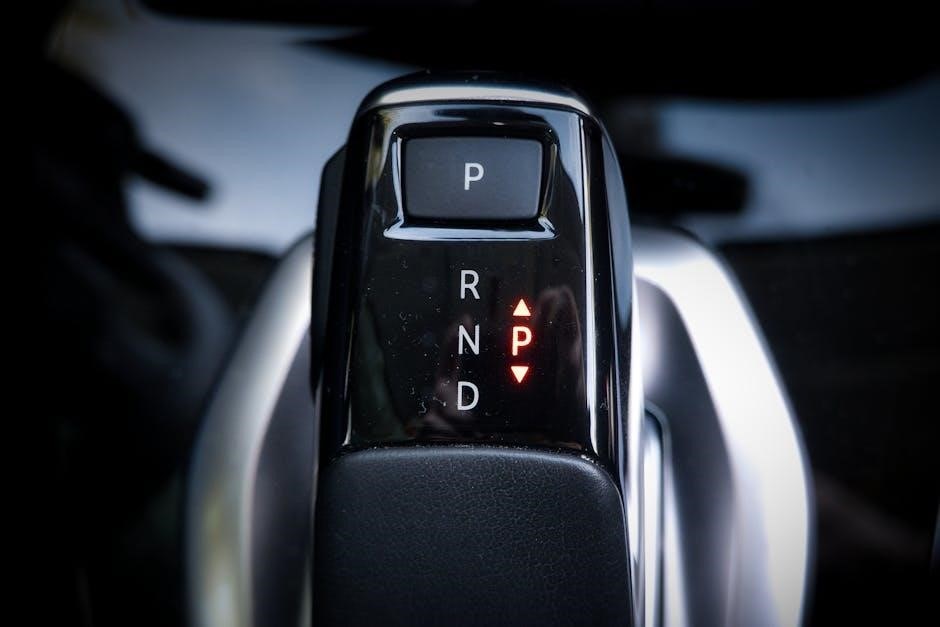
Can You Change a Car From Manual to Automatic? A Comprehensive Plan
Considering a transmission swap? This guide explores the feasibility‚ costs‚ and complexities of converting a manual car to automatic‚ detailing every step involved.
Converting a manual transmission vehicle to an automatic is technically achievable‚ but presents significant hurdles. It’s not a simple parts swap; numerous components beyond the transmission itself require modification or replacement. The average car’s intricate systems demand careful consideration. While possible‚ the feasibility hinges on vehicle specifics‚ budget‚ and mechanical expertise.
Understanding the Differences: Manual vs. Automatic Transmissions
Manual transmissions rely on a driver-operated clutch and gear selection‚ offering direct mechanical connection. Automatic transmissions‚ conversely‚ utilize a torque converter and planetary gearsets‚ shifting gears autonomously. These fundamental differences impact driving experience‚ efficiency‚ and complexity. Countless components distinguish the two‚ influencing repair and maintenance needs significantly.
Core Mechanical Differences
Manual systems employ a direct connection between the engine and wheels via gears‚ controlled by a clutch pedal. Automatics use a fluid coupling – the torque converter – and a complex planetary gearset. This eliminates the clutch pedal‚ but introduces hydraulic systems and more intricate internal components‚ impacting overall mechanical layout.
Electronic Control Systems in Automatics
Modern automatic transmissions are heavily reliant on electronic control. A Transmission Control Module (TCM) manages gear shifts based on vehicle speed‚ throttle position‚ and other sensors. This sophisticated system optimizes performance and fuel efficiency‚ requiring extensive wiring and programming during a conversion. Integrating this with the vehicle’s existing systems is crucial.
Cost Breakdown: Parts Required for the Conversion
Converting requires significant investment. Key components include the automatic transmission itself‚ a torque converter‚ a new shifter assembly with cables‚ and a TCM. Expect costs for fluids‚ filters‚ and potentially a new driveshaft. Budgeting accurately for these parts is essential before beginning the conversion process‚ as prices vary widely.
Transmission Unit (Automatic)
The automatic transmission is the core expense. New units range dramatically in price‚ depending on the vehicle and transmission type. Rebuilt options offer savings‚ but require careful sourcing for reliability. Consider factors like gear ratios and compatibility with your engine’s power output when selecting the appropriate automatic transmission.
Torque Converter
A crucial component‚ the torque converter replaces the clutch. It fluidly transfers engine power to the transmission‚ enabling smooth gear changes. Matching the torque converter to the transmission and engine is vital for optimal performance. Stalling speed and efficiency ratings should be carefully considered during selection‚ impacting driveability.
Shifter Assembly & Cables
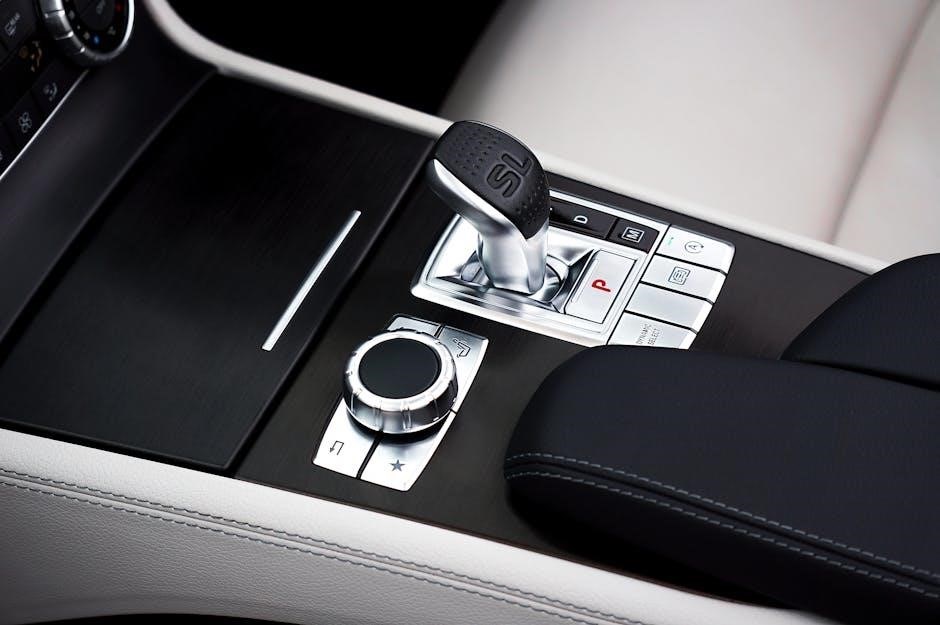
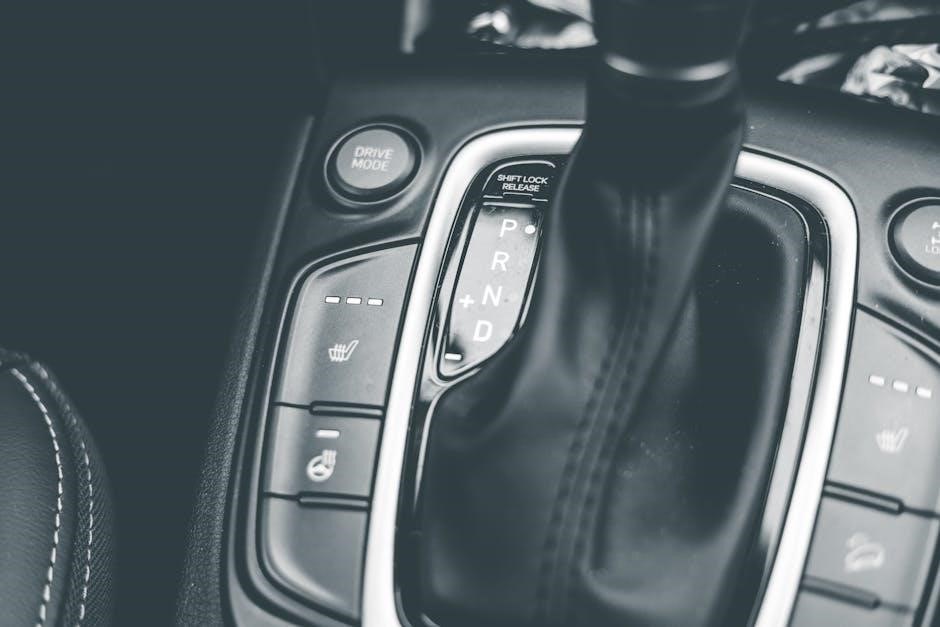
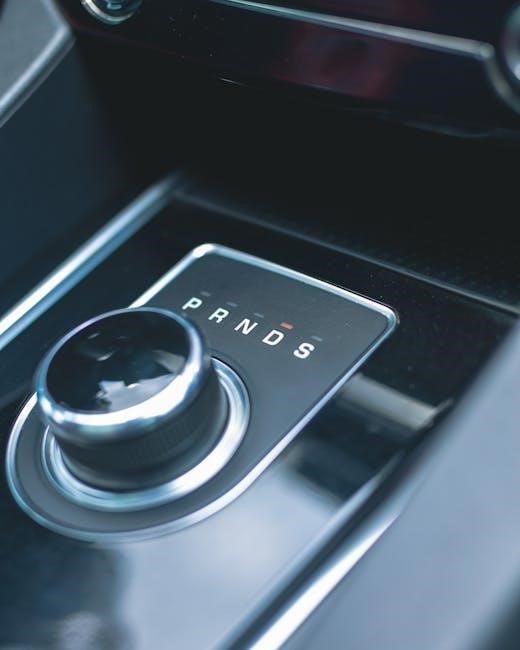
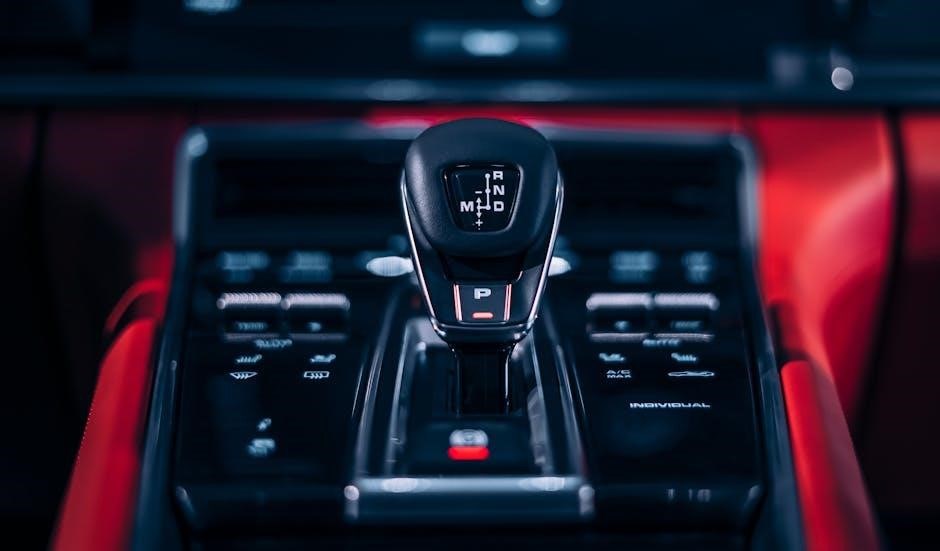
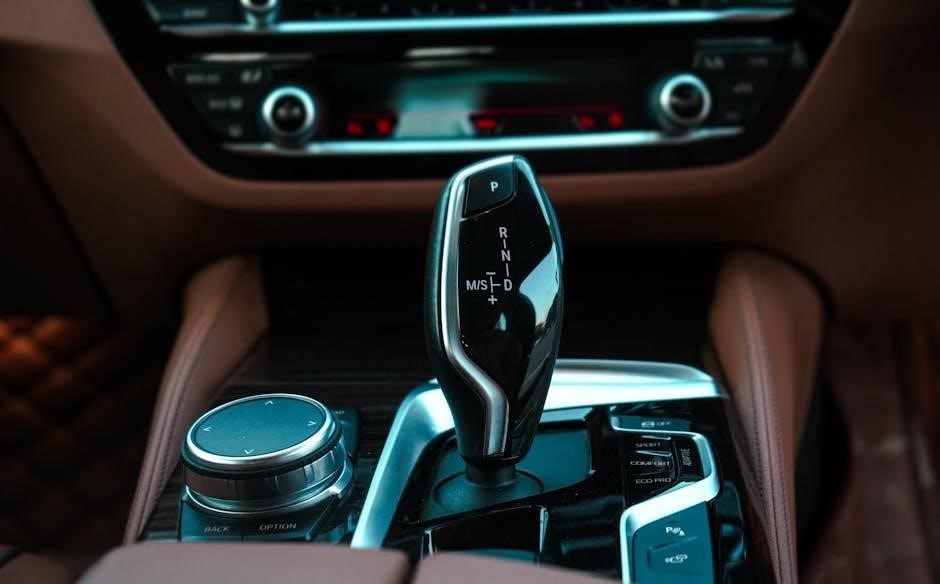
The original manual shifter is obviously incompatible. A complete automatic shifter assembly‚ including the console trim‚ is required. New cables or electronic linkages connect the shifter to the transmission. Ensuring proper adjustment is critical for accurate gear selection. Consider the style and ergonomics of the new shifter for a comfortable driving experience.
ECU (Transmission Control Module)
Automatic transmissions require an ECU (Transmission Control Module) to manage shifting. This module receives data from various sensors and controls the transmission’s operation. Compatibility with your vehicle’s engine ECU is vital; sometimes reprogramming is necessary. A standalone transmission ECU might be needed‚ adding to the complexity and cost of the conversion.
Labor Costs: Professional Installation vs. DIY
Professional installation significantly reduces risk but increases cost. Expect substantial labor charges‚ varying by shop and vehicle. A DIY approach saves money‚ but demands advanced mechanical skills and specialized tools. Incorrect installation can lead to costly repairs or safety hazards. Thorough research and honest self-assessment are crucial before attempting a DIY conversion.
Estimated Professional Labor Hours
A manual-to-automatic conversion typically requires 20-40 hours of professional labor. This range depends on the vehicle’s make and model‚ complexity of wiring‚ and potential unforeseen issues. Expect additional hours for modifications to the driveshaft‚ pedal box‚ and electronic systems. Obtaining a detailed quote from a qualified mechanic is essential for accurate budgeting.
Skill Level Required for DIY Conversion
Attempting a DIY manual-to-automatic conversion demands expert-level mechanical and electrical skills. Proficiency in automotive repair‚ wiring diagrams‚ and diagnostic tools is crucial. Significant fabrication skills may also be needed. This isn’t a beginner project; improper installation can lead to safety hazards and costly damage‚ making professional help advisable for most.
Vehicle Compatibility: Not All Conversions Are Possible
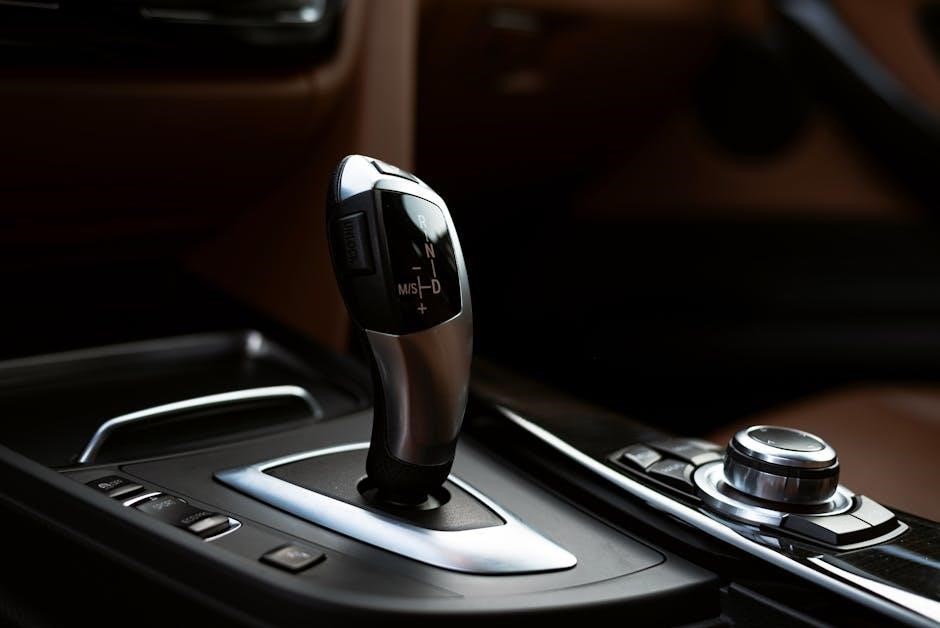
Not every vehicle is a suitable candidate for a manual-to-automatic swap. Engine and chassis limitations‚ particularly concerning space and mounting points‚ present significant hurdles. Some cars lack readily available conversion kits‚ increasing complexity. Older or rarer vehicles pose greater challenges due to parts scarcity and documentation limitations‚ potentially making the conversion impractical.
Engine and Chassis Considerations
The engine’s output and the chassis’s structure are critical factors. The automatic transmission must handle the engine’s torque; mismatching can lead to failure. Chassis mounting points for the automatic may differ‚ requiring fabrication or adapters. Space constraints within the transmission tunnel are common‚ potentially necessitating modifications to the vehicle’s body.
Model-Specific Conversion Kits
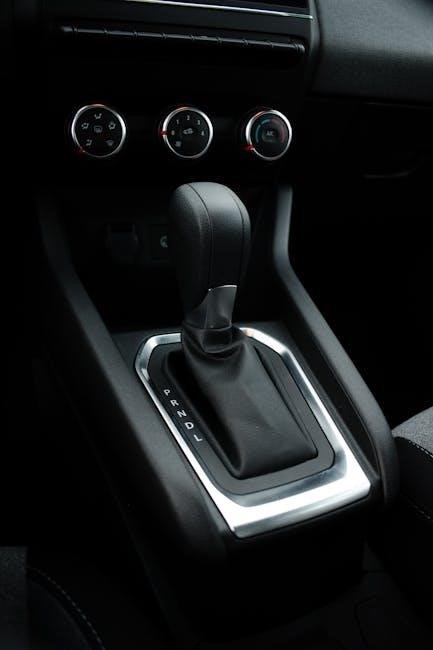
Fortunately‚ some manufacturers offer dedicated conversion kits for popular vehicles. These kits typically include the automatic transmission‚ torque converter‚ shifter assembly‚ and necessary hardware‚ streamlining the process. However‚ availability is limited‚ and kits can be expensive. Thorough research is vital to ensure compatibility and quality before investing in a model-specific solution.
Modifications Needed: Beyond the Transmission Swap
Simply swapping the transmission isn’t enough; several modifications are crucial. Expect to adjust the driveshaft length‚ integrate a new wiring harness for the automatic’s electronic controls‚ and potentially modify the pedal box to remove the clutch pedal. These additional steps significantly increase the complexity and overall cost of the conversion process.
Driveshaft Adjustments
Automatic transmissions often differ in length from their manual counterparts‚ necessitating driveshaft adjustments. This might involve shortening or lengthening the existing driveshaft‚ or even replacing it entirely with a custom-built unit. Proper driveshaft length is vital for smooth operation and preventing vibrations‚ demanding precise measurements and professional execution.
Wiring Harness Integration
Automatic transmissions require extensive wiring for the transmission control module (TCM)‚ speed sensors‚ and solenoid control. Integrating this new wiring into the vehicle’s existing harness is complex‚ often demanding splicing‚ re-routing‚ and potentially custom wiring solutions. Incorrect wiring can lead to transmission malfunctions or even damage to the vehicle’s electrical system.
Pedal Box Changes
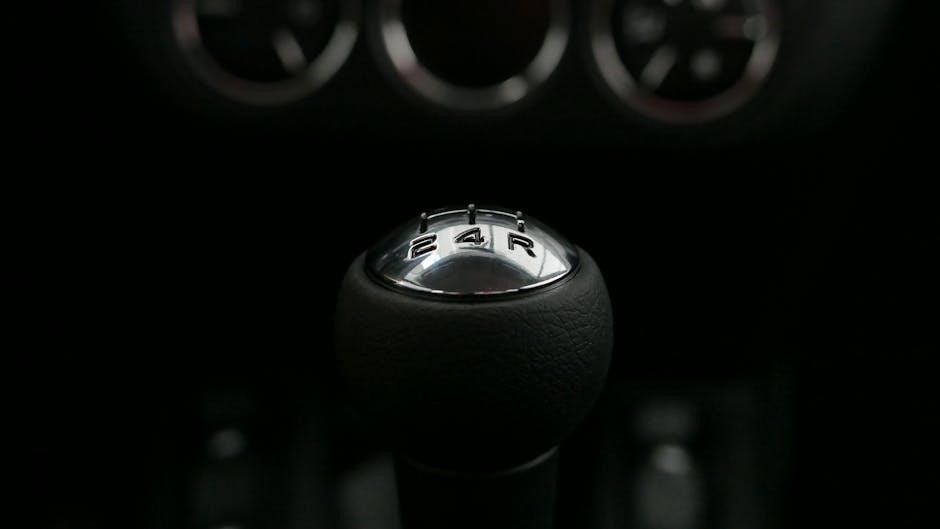
A crucial adjustment involves the pedal box‚ as automatic vehicles eliminate the clutch pedal. This necessitates either removing the clutch pedal entirely and blanking off the space‚ or‚ more commonly‚ replacing the entire pedal box assembly with one designed for an automatic transmission. Proper installation ensures comfortable and safe operation.
Potential Issues and Challenges During Conversion
Numerous hurdles can arise during a manual-to-automatic conversion. Computer compatibility problems are frequent‚ requiring reprogramming or a standalone ECU. Mechanical fitment issues‚ like driveshaft length or transmission mounting‚ often demand custom fabrication. Expect unexpected delays and costs as unforeseen complications inevitably surface during this complex process.
Computer Compatibility Problems
Modern vehicles rely heavily on integrated systems. The original ECU may not recognize the automatic transmission‚ leading to communication errors and operational failures. A new Transmission Control Module (TCM) is often needed‚ requiring complex wiring and programming. Ensuring seamless integration demands expertise‚ potentially involving custom tuning or software modifications.
Mechanical Fitment Issues
Direct bolt-in swaps are rare. The automatic transmission’s dimensions often differ from the manual‚ creating challenges with mounting points and overall fitment within the transmission tunnel. Modifications to the chassis or tunnel itself may be necessary‚ demanding welding or fabrication skills. Expect potential interference with driveshaft angles and exhaust systems.
Legal and Insurance Implications of the Conversion
Modifications require disclosure. A manual-to-automatic conversion significantly alters the vehicle‚ potentially violating local vehicle codes. Thoroughly research inspection requirements in your area before starting. Inform your insurance provider; failure to do so could invalidate coverage. Expect potential premium increases due to the modification’s impact on vehicle risk.
Vehicle Inspection Requirements
Post-conversion scrutiny is likely. Many jurisdictions mandate a vehicle inspection after substantial modifications like a transmission swap. Inspectors will verify the installation’s safety and compliance with emissions standards. Expect checks on wiring‚ braking systems‚ and overall mechanical integrity. Documentation of parts and labor is crucial; ensure everything meets legal specifications.
Insurance Coverage After Modification
Notify your insurer immediately. A manual-to-automatic conversion significantly alters your vehicle’s profile‚ demanding updated insurance coverage. Failure to disclose the modification could invalidate your policy. Expect potential premium increases reflecting the altered vehicle value and risk. Obtain written confirmation of coverage details post-modification for peace of mind.
Long-Term Reliability: Potential Weak Points
Converted automatics may exhibit issues. Mismatched components or improper installation can strain the drivetrain‚ leading to premature wear. The ECU integration is crucial; failures here cause erratic shifting. Regularly inspect fluid levels and monitor for unusual noises. Prioritize quality parts and professional installation to maximize longevity.
Alternatives to Full Conversion: Considering Options
Explore alternatives before a full swap. Aftermarket automatic conversion kits offer a potentially simpler route‚ though quality varies. Some prefer upgrading the existing manual transmission. Selling the manual vehicle and purchasing an automatic model directly avoids conversion headaches and potential reliability concerns altogether‚ often proving more cost-effective.
Aftermarket Automatic Conversion Kits
Kits offer a streamlined approach‚ but caution is key. Aftermarket kits bundle necessary components‚ potentially simplifying installation. However‚ quality and completeness differ significantly between brands. Thorough research is crucial‚ verifying compatibility with your specific vehicle model and engine. Expect to supplement the kit with additional parts and expertise.
Selling and Buying an Automatic Vehicle
Transparency is paramount when dealing with modified vehicles. If selling‚ full disclosure of the conversion is legally and ethically required. A professionally documented conversion boosts buyer confidence and value. Conversely‚ when buying‚ scrutinize conversion quality and documentation. Expect a potentially lower resale value compared to factory automatics.
Repair and Maintenance Costs: Manual vs. Automatic (Post-Conversion)
Post-conversion‚ automatics generally incur higher maintenance costs. Fluid changes‚ filter replacements‚ and potential solenoid failures are common. Manual transmissions‚ while having clutch replacements‚ often prove more durable long-term. However‚ a poorly executed conversion can amplify automatic repair expenses‚ demanding meticulous attention to detail.
Impact on Vehicle Value: Does Conversion Increase Worth?
Generally‚ a manual-to-automatic conversion doesn’t significantly increase a vehicle’s market value. Many enthusiasts prefer manuals‚ potentially decreasing appeal to that demographic. The conversion cost rarely recoups fully‚ and transparency about the modification is crucial for potential buyers. A well-documented‚ professional conversion might mitigate value loss.
Finding Qualified Mechanics for the Conversion
Locating a mechanic experienced in manual-to-automatic swaps is paramount. Seek specialists with proven expertise in transmission installation‚ wiring harness integration‚ and ECU programming. Online forums and local car clubs are excellent resources for recommendations. Verify their experience with your specific vehicle model‚ and always request detailed quotes.
Safety Considerations Throughout the Process
Prioritize safety during every stage of the conversion. Disconnect the battery before electrical work‚ use jack stands securely‚ and wear appropriate safety gear. Improper wiring or mechanical fitment can lead to dangerous malfunctions. Thoroughly test all systems – brakes‚ steering‚ and transmission – post-installation before driving.
Converting from manual to automatic is a significant undertaking. Weigh the substantial costs‚ potential complications‚ and long-term reliability concerns against the convenience gained. For many‚ exploring alternatives like selling and purchasing an automatic vehicle proves more practical and cost-effective than a full conversion.