
The Lexus IS250’s six-speed manual option, while rare, offers a unique driving experience, though often criticized for its feel and potential issues.
Many enthusiasts debate its quality, with some finding it notably subpar compared to other manual transmissions available in similar vehicles.
Despite its sporty intentions, the IS250 manual transmission has garnered a reputation for challenging shifts and potential long-term reliability concerns.
Owners frequently discuss difficulties and seek solutions within online automotive communities, highlighting common problems.
This guide explores the IS250 manual transmission, covering specifications, common issues, maintenance, modifications, and troubleshooting for owners.
Overview of the IS250 and its Manual Option
The Lexus IS250, introduced in 2005, aimed to deliver a blend of luxury and sporty handling within the compact executive car segment. While primarily known for its automatic transmission, a six-speed manual option was offered, primarily appealing to driving purists. However, this manual variant represents a relatively small percentage of IS250 models produced, making it somewhat of a niche find today.
The IS250 itself is powered by a 2.5-liter V6 engine, offering a respectable balance of power and fuel efficiency. The manual transmission was intended to enhance the driving experience, providing greater control and engagement. Yet, it quickly became apparent that the IS250’s manual gearbox wasn’t universally praised.
Online forums and enthusiast discussions frequently highlight criticisms regarding its feel, precision, and overall refinement, with some owners describing it as one of the worst manual transmissions encountered in a road car. Despite these criticisms, the manual IS250 retains a certain appeal for those seeking a unique and engaging driving experience.
Why Choose a Manual Transmission?
Despite criticisms surrounding the Lexus IS250’s manual transmission, some drivers actively seek it out for specific reasons. The primary draw is the increased driver engagement and control offered by a manual gearbox, allowing for a more connected and immersive driving experience. Purists often prefer the ability to select gears themselves, tailoring the driving experience to their preferences and road conditions.
Furthermore, a manual transmission can offer a sense of satisfaction and involvement that an automatic simply cannot replicate. For enthusiasts, the act of shifting gears is an integral part of the driving pleasure. While the IS250’s manual isn’t universally loved, it still provides this fundamental benefit.
Finally, some drivers choose a manual for perceived reliability advantages, though this is debatable in the IS250’s case, and potential cost savings associated with simpler mechanics compared to complex automatic systems.
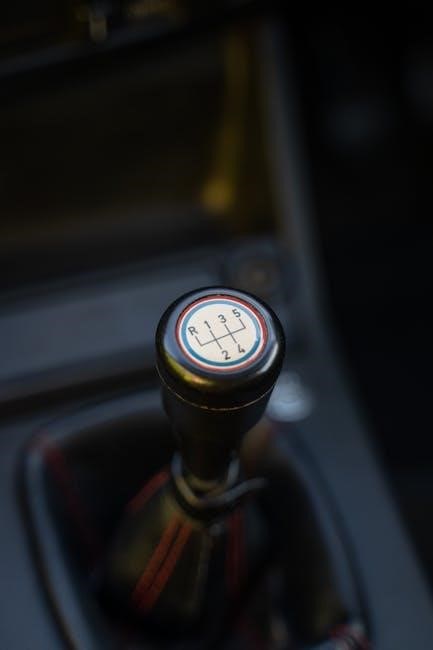
Technical Specifications of the IS250 6-Speed Manual
The IS250’s 6-speed manual features specific gear ratios impacting performance, identified by a unique transmission code, and comprises several key internal components.
Gear Ratios Explained
Understanding the IS250’s 6-speed manual transmission gear ratios is crucial for appreciating its performance characteristics. First gear typically offers a ratio around 3.93:1, providing strong acceleration from a standstill. Second gear, around 2.35:1, continues the momentum, while third (1.32:1) and fourth (1.00:1) are geared for flexible cruising.
Fifth gear, with a ratio of approximately 0.74:1, and sixth (0.62:1) are designed for efficient highway driving, lowering engine RPMs and improving fuel economy. These ratios influence acceleration, top speed, and overall drivability. A lower numerical ratio means higher speed in a given gear, while a higher ratio prioritizes acceleration. The IS250’s ratios aim for a balance, though some drivers find them less engaging than competitors.
Transmission Code and Identification
Identifying the specific IS250 manual transmission code is vital for sourcing correct parts and verifying compatibility. The primary code for the 6-speed manual found in the IS250 is typically A960E, though variations may exist based on production year and region. This code is often stamped on the transmission casing itself, usually located on a metal tag affixed to the housing.
Locating this tag requires access to the underside of the vehicle. Accurate identification ensures you obtain the correct components during repairs or upgrades. Online Lexus parts databases and forums can assist in decoding the full part number associated with the A960E code, providing further detail about the transmission’s specific configuration.
Components of the IS250 Manual Transmission
The IS250’s 6-speed manual transmission comprises several key components working in unison. These include the input shaft, receiving power from the engine’s flywheel, and the countershaft, distributing power to the output shaft. Synchronizers are crucial, matching gear speeds for smooth shifting. Gears themselves, precisely cut for each ratio, are housed within the transmission casing.
A shift fork mechanism, controlled by the gear lever, engages these gears. Seals, particularly on the input shaft, prevent fluid leaks and maintain lubrication. The differential transfers power to the drive wheels. Proper function of each component is essential for reliable operation, and failure of even a single part can lead to shifting issues.

Common Problems and Issues
IS250 manual transmissions frequently exhibit difficulty shifting into first and reverse, alongside transmission slipping. Repeated failures and input shaft seal leaks are also reported.
These issues often prompt owners to seek solutions within online forums and repair shops.
Difficulty Shifting into First and Reverse Gear
A prevalent complaint among Lexus IS250 manual transmission owners centers around the challenging engagement of first and reverse gears. Many report a noticeable resistance or inability to consistently shift into these gears, even with a properly maintained clutch.
This issue is often exacerbated by the installation of aftermarket short shifters, ironically intended to improve shifting precision. Some speculate the short shifter alters the geometry, making first and reverse access more difficult.
Potential causes include worn synchronizers, internal transmission wear, or improper clutch adjustment; Owners have described needing to “hold” the shifter in a specific position or employ unusual techniques to successfully engage these gears, highlighting a frustrating driving experience.
Troubleshooting often involves checking clutch hydraulics and inspecting the transmission for internal damage.
Transmission Slipping Issues
Transmission slipping in the Lexus IS250’s six-speed manual is a serious concern reported by several owners, indicating a loss of power transfer from the engine to the wheels. This manifests as engine revving without a corresponding increase in vehicle speed, often during acceleration or uphill climbs.
Potential causes range from worn clutch components – including the pressure plate, throw-out bearing, and friction disc – to internal transmission damage like worn gears or synchronizers. Low or contaminated transmission fluid can also contribute to slipping.
Repeated instances of slipping, as documented in online forums, suggest a pattern of premature wear or underlying design weaknesses. Addressing this promptly is crucial to prevent further damage and potential transmission failure.
Diagnosis requires a thorough inspection of the clutch and transmission internals.
Repeated Transmission Failures
A disturbing trend among Lexus IS250 manual transmission owners is the occurrence of repeated failures, even after repairs. Several accounts detail instances where the transmission required fixing multiple times within a relatively short period, sometimes less than 5,000 miles after the initial service.
This suggests that a simple fix often doesn’t address the root cause of the problem, potentially pointing to a fundamental design flaw or a chronic weakness in specific components. Owners have reported complete transmission breakdowns, rendering the vehicle undrivable.
The recurring nature of these failures raises concerns about the long-term reliability of this transmission and the cost of ownership for IS250 manual enthusiasts.
Thorough investigation and potentially a transmission replacement may be necessary.
Seal Failures on the Input Shaft
A frequently reported issue with the Lexus IS250 manual transmission centers around failures of the seal located on the input shaft. This seal, positioned where the shaft enters the transmission housing, is crucial for preventing fluid leaks and maintaining proper lubrication.
When this seal deteriorates, transmission fluid can escape, leading to reduced fluid levels and potential damage to internal components. Owners have documented replacing this specific seal as a common repair, often identifying its location by following the shaft towards the engine.
Addressing this leak promptly is vital to prevent more significant transmission problems and ensure continued reliable operation. Ignoring it can lead to costly repairs.
Regular inspection of this area is highly recommended.

Maintenance and Repair
Regular maintenance is crucial for the IS250 manual transmission, including fluid changes and addressing shifting issues promptly to ensure longevity and performance.
Proactive care can prevent costly repairs and maintain a smooth driving experience;
Transmission Fluid Change Procedure
Performing a transmission fluid change on the Lexus IS250’s manual transmission requires specific steps to ensure proper lubrication and prevent damage. Begin by warming up the transmission slightly, then locate the drain and fill plugs. Carefully drain the old fluid, noting its condition for any metallic particles, indicating potential wear.
Clean the drain plug and reinstall it with a new crush washer. Next, using a pump, fill the transmission with the recommended fluid type (see section below) until it reaches the correct level, typically until fluid begins to overflow from the fill plug.
Reinstall the fill plug, again with a new crush washer, and torque both plugs to the manufacturer’s specifications. Finally, verify the fluid level after a short test drive and re-check for leaks.
Recommended Transmission Fluid Type
Lexus specifically recommends using Genuine Lexus Manual Transmission Fluid (MTF) for the IS250’s six-speed manual transmission. This fluid is crucial for ensuring smooth shifting and protecting the transmission’s internal components. Using alternative fluids may lead to compatibility issues, reduced performance, and potential damage.
Avoid using automatic transmission fluid or gear oils not specifically designed for manual transmissions. Many owners report success with Red Line MT-90, a synthetic alternative, but always research compatibility and potential warranty implications.
Regular fluid changes, using the correct fluid, are vital for maintaining the longevity and optimal operation of the IS250’s manual gearbox.
Short Shifter Installation and Considerations
Installing a short shifter, like those from TRD or TOMS, is a popular modification for the IS250 manual transmission, aiming to reduce shift throw and improve responsiveness. However, many owners report that even with a short shifter, the transmission’s inherent issues persist, and it doesn’t dramatically improve the driving experience.
Installation typically involves replacing the factory shift linkage with the aftermarket component. Careful adjustment is crucial; improper installation can lead to difficulty engaging first and reverse gear, as reported by several owners;
Consider the potential for increased notchiness and a firmer shift feel. While some prefer this, others find it less comfortable for daily driving.
Addressing Shifting Problems
Difficulty shifting into first and reverse gear is a frequently reported issue with the IS250 manual transmission, often exacerbated by short shifter installations. Ensuring proper clutch adjustment is the first step, verifying full disengagement. Inspecting the shift linkage for wear or damage is also crucial.
For persistent problems, a leak on the input shaft seal may be the culprit, requiring replacement. Addressing this promptly prevents further damage. If slipping occurs, check the transmission fluid level and condition; a fluid change with the correct type is essential.
Thorough diagnosis is key before attempting repairs, as underlying transmission issues may necessitate professional attention.

Modifications and Upgrades
Popular upgrades include TRD or TOMS short shifters, aiming to improve shift feel, though opinions vary on their effectiveness with this transmission.
Performance enhancements are limited, focusing on improving the existing system.
TRD/TOMS Short Shifter Discussion
The TRD (Toyota Racing Development) and TOMS short shifters are frequently discussed among IS250 manual transmission owners as potential solutions to the transmission’s notoriously long throws and vague feel. Many owners report that while these shifters do reduce throw length, they don’t entirely resolve the underlying issues with the gearbox itself;
Some users have experienced increased difficulty engaging first and reverse gear after installing a short shifter, suggesting a potential exacerbation of existing transmission weaknesses. The consensus seems to be that a short shifter can offer a slight improvement, but it’s not a magical fix and won’t transform the IS250’s manual into a precision instrument.
It’s often recommended to ensure the transmission is in good condition before investing in a short shifter, as it won’t mask underlying mechanical problems.
Potential Performance Enhancements
Beyond the short shifter, limited options exist for significantly enhancing the performance of the IS250’s 6-speed manual transmission. Focusing on supporting modifications is often more fruitful than attempting direct transmission upgrades. Lightweight flywheels can improve engine responsiveness and acceleration, complementing the manual gearbox.
Upgraded clutch kits, designed for higher torque capacity, are beneficial if engine modifications are planned, preventing slippage and ensuring efficient power transfer. However, these won’t address the inherent feel of the transmission itself.
Optimizing the engine’s power output through intake, exhaust, and tuning modifications will yield more noticeable performance gains than solely focusing on the transmission. Addressing the transmission’s weaknesses through meticulous maintenance remains paramount.

Troubleshooting Guide
Diagnosing issues with the IS250 manual involves checking for fluid leaks, identifying slipping causes, and addressing difficult shifting into first or reverse gear.
Careful inspection and fluid level checks are crucial first steps in resolving transmission problems.
Diagnosing Shifting Issues
Initial assessment of shifting problems in the Lexus IS250 manual transmission should focus on identifying when the issue occurs – is it consistent across all gears, or specific to first and reverse?
Difficulty engaging first or reverse, a common complaint, may indicate a clutch master cylinder or slave cylinder issue, or even a short shifter causing range limitations.
Pay attention to any grinding noises during gear changes, which could signal worn synchronizers.
Check the clutch pedal feel; a spongy or inconsistent feel suggests hydraulic problems.
Inspect the shift linkage for looseness or damage. A visual inspection of the transmission itself for external leaks is also essential.
Consider if recent modifications, like a short shifter installation, coincided with the onset of the problem.
Identifying Potential Causes of Slipping
Transmission slipping in the Lexus IS250’s manual gearbox often points to internal wear or fluid-related issues. A primary suspect is a worn clutch disc, unable to fully engage with the flywheel, resulting in power loss.
Low or degraded transmission fluid can also contribute, reducing lubrication and increasing friction between components.
Inspect the clutch hydraulic system for leaks or air bubbles, as these can affect clutch engagement.
Damaged synchronizers can cause gears to slip out of engagement, particularly during aggressive shifting.
In rare cases, internal damage to the transmission’s gears or shafts could be the culprit. Repeated failures suggest a deeper underlying problem requiring professional diagnosis.
Thorough inspection is crucial to pinpoint the exact cause.
Checking for Fluid Leaks
Regularly inspecting for transmission fluid leaks is vital for the Lexus IS250’s manual transmission health. Begin by visually examining the area around the transmission itself, looking for wet spots or drips.
Pay close attention to the input shaft seal, a common leak point, as noted by owners in online forums.
Check the shift linkage and surrounding areas for any signs of fluid accumulation. Place a clean sheet of cardboard under the transmission overnight to detect even small leaks.
Inspect the transmission fluid fill and drain plugs for tightness and evidence of seepage. Any detected leaks require immediate attention to prevent further damage and fluid loss.
Address leaks promptly to maintain optimal transmission performance.
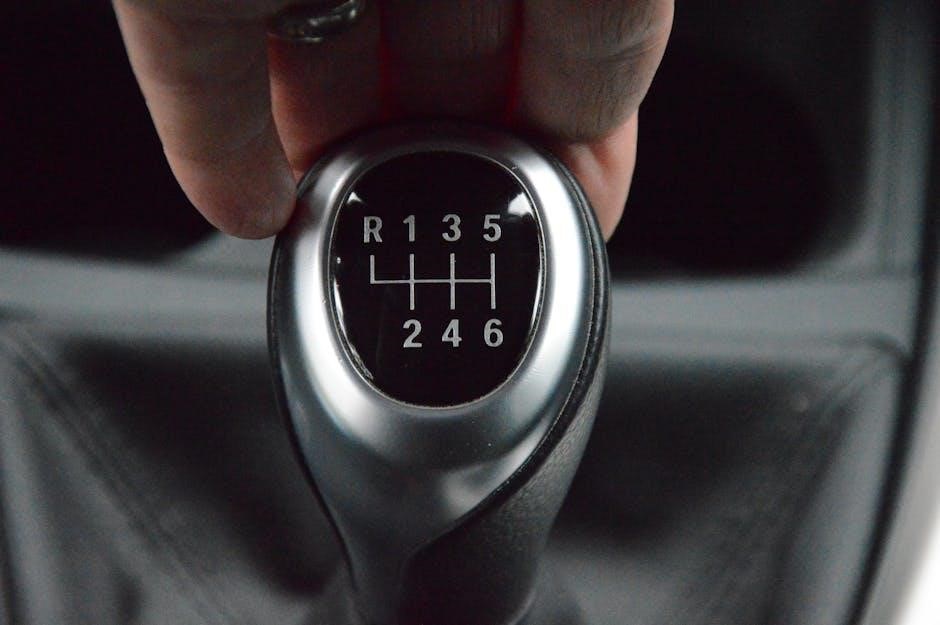
Community Experiences and Forums
Online forums reveal frequent complaints about the IS250 manual transmission, particularly regarding difficult shifting and reliability.
Owners share experiences and seek advice, forming a valuable resource for troubleshooting and repair information.
These platforms offer insights into common issues and potential solutions, fostering a collaborative environment for IS250 enthusiasts.
Common Complaints from IS250 Manual Owners
A recurring theme amongst Lexus IS250 manual transmission owners centers around the challenging and often frustrating shifting experience. Many report significant difficulty engaging first and reverse gears, sometimes attributed to short shifter installations exacerbating the issue.
Transmission slipping is another frequently cited problem, with owners experiencing a loss of power or hesitation during acceleration. Some have faced repeated transmission failures, even after repairs, raising concerns about the unit’s overall durability.
Seal failures, specifically on the input shaft, are also commonly reported, leading to fluid leaks and potential transmission damage. Owners consistently describe the IS250’s manual gearbox as one of the worst they’ve encountered, even with performance modifications like TRD or TOMS short shifters.
Online Resources and Forums for Support
Lexus IS250 manual transmission owners frequently turn to online communities for support, troubleshooting, and shared experiences. Dedicated Lexus forums, such as ClubLexus, host extensive threads discussing common issues, repair procedures, and modification options.
Reddit’s r/Lexus subreddit also provides a platform for owners to connect, ask questions, and share insights. Automotive enthusiast forums, generally, often contain relevant discussions about the IS250’s transmission quirks.
YouTube channels, like KiwiCarLife, offer video tutorials on maintenance tasks, including transmission fluid changes, and address potential slipping problems. These resources provide valuable guidance for DIY repairs and help owners understand the complexities of the IS250’s manual gearbox.

Long-Term Reliability and Considerations
The IS250 manual exhibits questionable long-term reliability, with reports of repeated failures and shifting issues impacting overall ownership satisfaction.
Driving habits and maintenance significantly affect lifespan; aggressive shifting and neglected fluid changes accelerate wear and potential component breakdown.
Overall Reliability of the IS250 Manual Transmission
The Lexus IS250’s six-speed manual transmission unfortunately doesn’t enjoy a stellar reputation for reliability. Numerous owner reports and forum discussions consistently highlight concerns regarding its durability and propensity for issues. While not universally problematic, a significant number of owners have experienced premature failures or persistent difficulties.
Compared to the automatic variant, the manual transmission appears to be more susceptible to problems, particularly concerning internal component wear and tear. The transmission’s overall robustness is often questioned, with many enthusiasts stating it’s the weakest link in an otherwise well-built vehicle. Frequent complaints center around difficulty shifting, slipping gears, and, in more severe cases, complete transmission failure requiring replacement or rebuild.
This lower reliability necessitates diligent maintenance and proactive attention to potential warning signs to maximize the transmission’s lifespan.
Factors Affecting Transmission Lifespan
Several key factors significantly impact the longevity of the Lexus IS250’s six-speed manual transmission. Aggressive driving habits, such as frequent hard launches and abrupt gear changes, place considerable stress on internal components, accelerating wear and tear. Consistent neglect of scheduled maintenance, particularly transmission fluid changes, is a major contributor to premature failure.
The quality of the transmission fluid used is also critical; using the incorrect type can lead to inadequate lubrication and increased friction. Modifications, like installing a short shifter without proper adjustment, can exacerbate existing weaknesses and introduce new stresses. Furthermore, the transmission’s lifespan is affected by the overall condition of the vehicle and how well it has been maintained.
Regular inspections for fluid leaks and unusual noises are crucial for early detection of potential problems.

Alternatives and Solutions
When facing IS250 manual transmission issues, options include a complete replacement, a professional rebuild, or sourcing a used unit for cost savings.
Careful consideration of budget and long-term reliability is essential when choosing the best course of action for repair.
Transmission Replacement Options
Replacing the IS250’s manual transmission presents several avenues, each with distinct advantages and drawbacks. A new, genuine Lexus transmission is the most expensive option, guaranteeing compatibility and a full warranty, offering peace of mind but a significant financial investment.
Used transmissions, sourced from salvage yards or online marketplaces, provide a more affordable alternative, though their condition is often unknown, requiring thorough inspection before purchase. A rebuilt transmission strikes a balance, offering a remanufactured unit with updated parts and a limited warranty.
Professional installation is highly recommended regardless of the chosen option, ensuring correct alignment and preventing further complications. Consider the total cost, including labor, fluids, and potential ancillary parts, when evaluating replacement options.
Carefully weigh the risks and benefits of each approach to determine the most suitable solution for your IS250 and budget;
Rebuild vs. Replacement
Deciding between rebuilding your IS250’s manual transmission and a complete replacement hinges on several factors. A rebuild involves disassembling the transmission, inspecting components, replacing worn or damaged parts, and reassembling it – often a cost-effective solution for specific failures.
However, a rebuild’s success depends heavily on the mechanic’s expertise and the extent of the internal damage. Replacement offers a quicker turnaround and potentially greater reliability, especially with a new or rebuilt unit from a reputable source.
Consider the transmission’s overall condition; extensive damage might make a rebuild impractical. Factor in labor costs, as rebuilds can be time-consuming. A replacement may be preferable if multiple issues exist.
Ultimately, a thorough inspection and professional assessment are crucial for making an informed decision.

Resources and Further Information
Access official Lexus documentation for detailed specifications and service procedures. Explore online forums and articles for community insights and troubleshooting guides related to the IS250.
These resources provide valuable support for owners tackling maintenance or repairs on their manual transmission.
Official Lexus Documentation
Lexus provides comprehensive owner’s manuals and service manuals that are invaluable resources for IS250 owners, particularly those with the manual transmission. These documents detail the vehicle’s specifications, maintenance schedules, and repair procedures directly from the manufacturer.
While not always specifically focused on the manual transmission’s nuances, they offer foundational information regarding the drivetrain and related systems. Lexus’s technical service information (TSI) system, often accessed through a paid subscription by professional mechanics, contains detailed diagnostic procedures and component diagrams.
These resources can be crucial for understanding the transmission’s internal workings and identifying potential issues. Lexus dealerships can also provide access to specific bulletins or technical advisories related to the IS250 manual transmission, addressing known problems or recommended solutions. Accessing these official materials ensures accurate and reliable information for maintenance and repair efforts.
Relevant Online Articles and Videos
Numerous online resources cater to Lexus IS250 owners, offering valuable insights into the manual transmission. Forums like ClubLexus and IS300.net host extensive threads discussing common issues, repair experiences, and modification ideas. YouTube channels, such as KiwiCarLife, provide visual guides on maintenance procedures like transmission fluid changes, addressing concerns about slipping.
Independent automotive websites often feature articles detailing the IS250’s drivetrain, including analyses of the six-speed manual’s strengths and weaknesses. These resources frequently highlight the reported difficulties with first and reverse gear engagement and potential seal failures.
Searching for “IS250 manual transmission problems” yields a wealth of user-generated content, offering practical advice and troubleshooting tips from fellow enthusiasts. These platforms facilitate knowledge sharing and support for owners facing transmission-related challenges.